Rainbow Week is a special week organized by our school chef to celebrate foods in all colors of the rainbow. Throughout the week, students are exposed to new, colorful and delicious foods! In art class, we celebrate Rainbow Week by learning abiout the Color Wheel!
Wednesday, January 31, 2018
Color Wheel Collage for Rainbow Week!
Rainbow Week is a special week organized by our school chef to celebrate foods in all colors of the rainbow. Throughout the week, students are exposed to new, colorful and delicious foods! In art class, we celebrate Rainbow Week by learning abiout the Color Wheel!

Wednesday, January 10, 2018


Monday, December 18, 2017
Murals Inspired by Wassily Kandinksy


First and second grade artists learned about Wassily Kandinksy and explored his artwork in several ways. Click here to see more about our work with Kandinksy.
We worked collaboratively to create these two large murals in the style of Kandinsky's abstract expressionist work. We used shapes and themes from his paintings and worked with warm colors first, then added cool colors.
Friday, December 1, 2017
Self Portraits inspired by Wonder by RJ Palacio

Fayston students have become very familiar with the book Wonder, by R.J. Palacio. We discussed the themes in this book, including not judging others by their appearances and being kind to all people. We drew self portraits in the style of the book cover that show our inner character traits, which may not be visible from the outside.


Monday, November 13, 2017
Onomatopoiea Words inspired by Pop Artist Roy Lichtenstein

Pop Art!
In the 1950s and 1960s, young British and American
artists made popular culture their subject matter.
By incorporating logos, brand names, television and
cartoon characters, and other consumer products
into their work, these artists tested the boundaries
between art and everyday life.
Roy Lichtenstein was one of the originators of this
new pop movement. Fascinated by printed mass
media—particularly newspaper advertising and
cartoon or comic book illustration—Lichtenstein
developed a style characterized by bold lines, bright
colors, dot patterns, and sometimes words.
The art of today is all
around us.
Roy Lichtenstein

What is ONOMATOPOIEA?
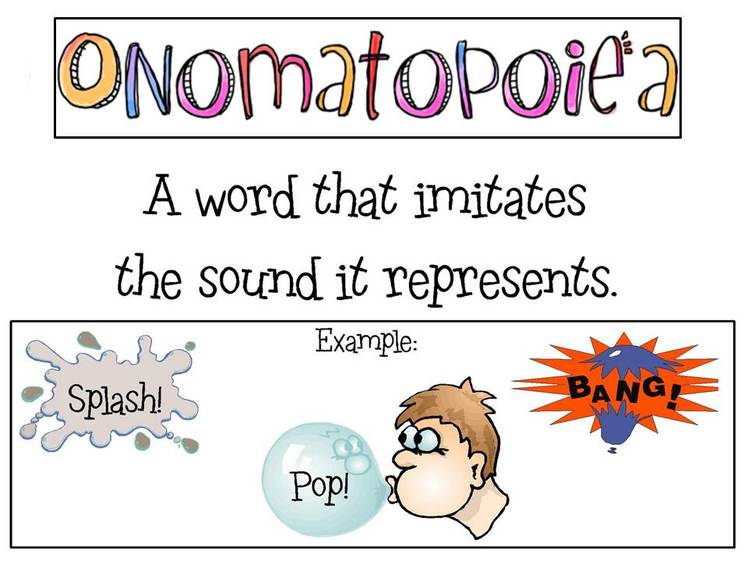
"Splat, Giggle, Moo"
click here to learn more about Roy Lichtenstein from the National Gallery of Art
Wayne Thiebault's Gumball Machine
Kindergarten artists created gumball machines inspired by Wayne Thiebaud's famous paintings. We will be revisiting his other delicious pieces of artwork.


Monday, November 6, 2017
Kandinsky's Circles and Shapes

Wassily Kandinsky was born in Russia in 1866. In his early years as an artist, he explored a variety of media but stayed with a traditional, realistic style. Upon traveling through Europe and viewing art by artists such as Matisse and Gauguin, Kandinsky was influenced to bring vibrant colors into his art. When he became a professor a the Bauhaus School in Germany, his art became less objective and contained lines, circles and other geometric shapes.
Kandinsky has been called a "pioneer of modern art." He believed that art should reach the audience though sight, sound and emotion or spiritual connection. He wanted to create art that let the audience decide on the meaning, much like music brings images into the listener's head.

One of Kandinsky's most well known paintings is "Squares with Concentric Circle" (1913).
Kandinsky loved including circles in his work. Here are some other pieces comprised of circles.
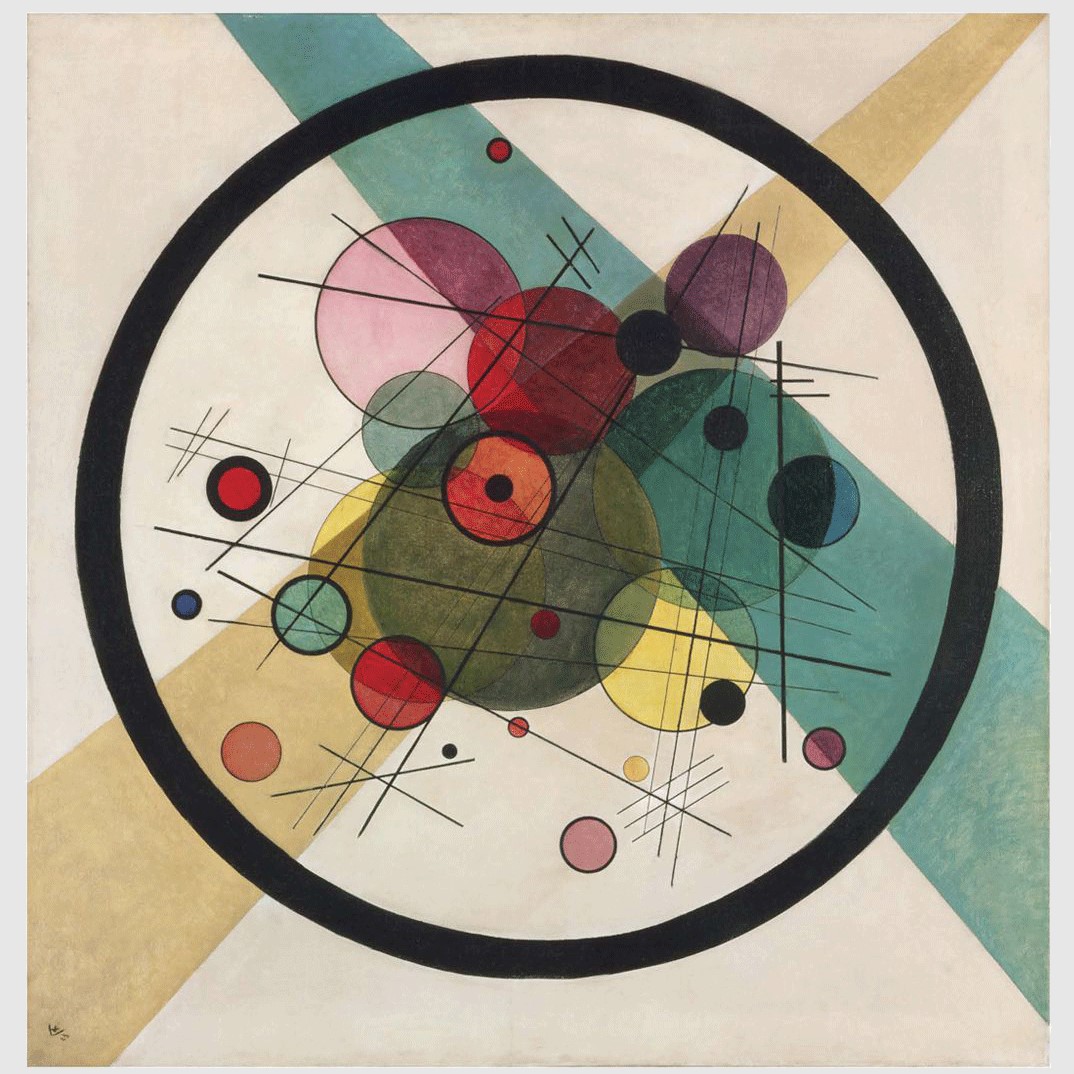


- What do you notice about Kandinsky's work?
- What guesses can you make about the artist?
- What do you like?
- What don't you like?
- Is there anything that you can take from Kandinsky's artwork to inspire your own work?
- How is looking at artwork like listening to music? How is it different?
First and second grade artists competed two piece inspired by the work of Wassily Kandinsky.
For the first project, each student created on square with concentric circles, inspired by Kandinsky's famous painting. We used oil pastels, then observed the watercolor resist technique by painting over our circles with liquid watercolors. We will put these squares together to form a collaborative display.
For the second project, students worked collaboratively to paint a mural inspired by Kandinsky's use of shape, line and color. We started with black paint, then added warm colors, then cool colors.
Click here to explore the connection between art and music with this interactive online game from the Tate Gallery.
CLICK HERE TO SEE THE FINISHED MURALS!
LEARNING TARGETS:
- I can use art vocabulary to describe Kandinsky's work.
- I can identify and explain similarities between Kandinsky's work and my own art work.
- I can work collaboratively with my classmates on our mural.
- I can identify and use warm and cool colors.
VOCABULARY
- Warm/Cool Colors
- Concentric Circles
- Geometric Shapes
- Abstract Art
- Collaborative

Wednesday, November 1, 2017
Inspired by Arcimboldo's vegetable Portraits

You can imagine the comments I heard when students entered the art room and saw THIS on the board. We made a lot of observations and guesses about this piece. Here are a few:
It's a portrait, it's made of vegetables, it's a painting, it looks like it was painted a long time ago, the ear is an ear of corn, it looks like it is someone specific, there's a lot of detail, it is colorful, it's funny, the vegetables look real even though the face does not....
The job of a renaissance court portraitist was to produce likenesses of his sovereigns to display at the palace and give to foreign dignitaries or prospective brides. It went without saying the portraits should be flattering. Yet, in 1590, Giuseppe Arcimboldo painted his royal patron, the Holy Roman Emperor Rudolf II, as a heap of fruits and vegetables (opposite). With pea pod eyelids and a gourd for a forehead, he looks less like a king than a crudité platter.
Lucky for Arcimboldo, Rudolf had a sense of humor. And he had probably grown accustomed to the artist’s visual wit. Arcimboldo served the Hapsburg family for more than 25 years, creating oddball “composite heads” made of sea creatures, flowers, dinner roasts and other materials. from www.smithsonianmag.com


Subscribe to:
Posts (Atom)