This is the art blog for Fayston Elementary School, located in the Mad River Valley in Central Vermont. This blog is updated frequently to showcase the artwork of Fayston's students and celebrate all things creative!
Amate paintings are a traditional art of the Mezcala region of Mexico. Amate refers to the type of paper the paintings are done on. It is made from processed tree bark that is boiled, sometimes dyed or bleached and pressed into paper. Amate paper was traditionally used to record data, pass along communication or for ritual purposes. Today it is used to create decorative art that the artists sell to support themselves and their families.
First and second graders watched this video about making Amate paper. We discussed reasons for making art and how an artist chooses the subject or his or her artwork. We planned Amate-inspired drawings featuring colorful birds, other animals, flowers and plants. We will paint them with brightly colored paints.
Here are our Mexican Metal tooling suns by grades one and two:
First and second graders looked at examples of Mexican Folk Art Suns. This image stems from the Aztec culture, which revered the Sun God Tonatiuh as the leader of heaven. Now it is a common theme throughout Mexican folk art. First and second graders used these images to inspire their own sun faces, then transferred their drawings onto thin sheets of metal. Metal tooling is a traditional Mexican folk art, so we used this technique to make brilliant sun faces.
As long as humans have existed, art has been an important part of social culture. Teaching children about the folk art of other cultures helps us to appreciate what people from around the world consider valuable and beautiful. It allows students to learn about new techniques and materials used in art, and displaying real examples encourages art appreciation in even the youngest students.
Today we’ll look at a traditional Mexican folk art, painted on an organic medium called “amate.” Amate (pronounced “ah-MAH-tay”) is a type of paper produced from the fibers of the bark of fig trees. Beginning in pre-Hispanic times, different indigenous groups used the amate to communicate with others. For example, the Aztecs used the amate paper to register data, or as a gift for soldiers. In today’s Mexico, the Otomí people of Central Mexico produce this paper in a way similar to its historical origins. However, now Nahua artisans paint intricate birds, colorful plants, and whimsical animals on the amate so that it can be used for decoration.
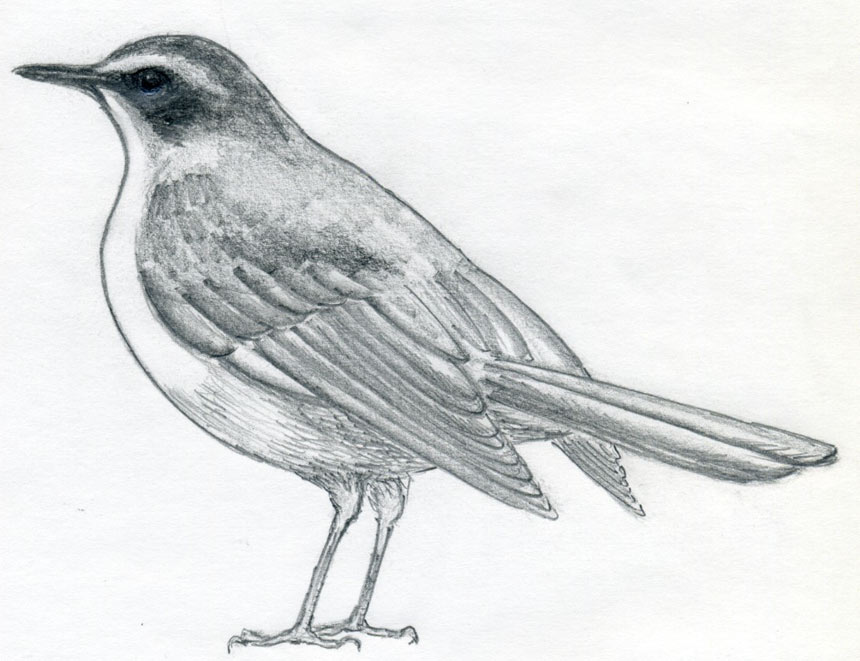
We also learned about the difference between stylized images and realistic images. Stylized images show an artist's unique, creative way of drawing something, rather than an image that looks like photograph. We looked at images of stylized birds and realistic birds. Can you tell the difference?
Fifth and sixth graders learned about el Dia de Los Muertos, the Day of the Dead, celebrated on November 1st and 2nd in Mexico and other parts of Latin America. One of the traditions of this holiday is to decorate candy sugar skulls to display on altars dedicated to loved ones who have passed.


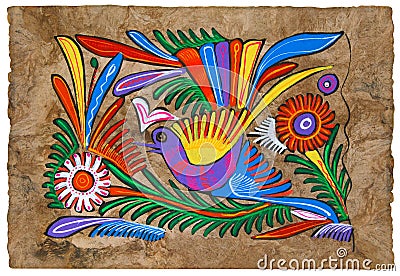


 Today we’ll look at a traditional Mexican folk art, painted on an organic medium called “amate.” Amate (pronounced “ah-MAH-tay”) is a type of paper produced from the fibers of the bark of fig trees. Beginning in pre-Hispanic times, different indigenous groups used the amate to communicate with others. For example, the Aztecs used the amate paper to register data, or as a gift for soldiers. In today’s Mexico, the Otomí people of Central Mexico produce this paper in a way similar to its historical origins. However, now Nahua artisans paint intricate birds, colorful plants, and whimsical animals on the amate so that it can be used for decoration.