Showing posts with label flowers. Show all posts
Showing posts with label flowers. Show all posts
Friday, September 20, 2019

Friday, September 6, 2019
Friday, September 28, 2018
Kindergarten Sunflowers inspired by Van Gogh

Kindergarten artists looked at Vincent Van Gogh's famous sunflower paintings, then made their own using liquid watercolor paints.


Monday, April 24, 2017
Monday, November 28, 2016
Mexican Folk Art Amate Paintings
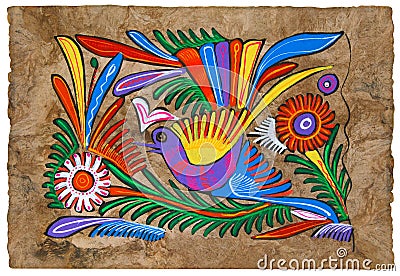
Amate paintings are a traditional art of the Mezcala region of Mexico. Amate refers to the type of paper the paintings are done on. It is made from processed tree bark that is boiled, sometimes dyed or bleached and pressed into paper. Amate paper was traditionally used to record data, pass along communication or for ritual purposes. Today it is used to create decorative art that the artists sell to support themselves and their families.
First and second graders watched this video about making Amate paper. We discussed reasons for making art and how an artist chooses the subject or his or her artwork. We planned Amate-inspired drawings featuring colorful birds, other animals, flowers and plants. We will paint them with brightly colored paints.
First and second graders watched this video about making Amate paper. We discussed reasons for making art and how an artist chooses the subject or his or her artwork. We planned Amate-inspired drawings featuring colorful birds, other animals, flowers and plants. We will paint them with brightly colored paints.
Wednesday, October 22, 2014
Tissue collage flowers inspired by Georgia O'Keeffe
For this year's Original Works fundraiser, first and second graders created flowers in the style of Georgia O'Keeffe. We looked at examples of O'Keeffe's work and close up photographs of different flowers. Artists imagined themselves as bugs on the flowers to create make sure they filled the page with their creation. They chose warm or cool colors of tissue paper to fill their flowers, then painted background with tempera in the opposite set of colors.


Here are some examples of Georgia O'Keeffe's flower paintings and pastel drawings. Notice how she blends colors and captures the details of each flower.


This color wheel shows warm and cool colors:

Here are the flowers made by first and second grade artists:


Tuesday, July 29, 2014
Art Camp 2014!

Group picture!

Clay!

Book arts

Clay flower bowls

Clay slab mugs
Sun print fabric flags
Painted paper flowers
Painted rocks
Rock painting on the stairs
Paper mâché balloon bowls

Fabric sun prints

Sewing

Paper quilling

Preparing dream catchers

Dream catchers

Pattern stamping

Fashion design

Paper quilling flower

Painted lanterns
Monday, March 17, 2014
Mexican Folk Art: Amate Painting
As long as humans have existed, art has been an important part of social culture. Teaching children about the folk art of other cultures helps us to appreciate what people from around the world consider valuable and beautiful. It allows students to learn about new techniques and materials used in art, and displaying real examples encourages art appreciation in even the youngest students.
 Today we’ll look at a traditional Mexican folk art, painted on an organic medium called “amate.” Amate (pronounced “ah-MAH-tay”) is a type of paper produced from the fibers of the bark of fig trees. Beginning in pre-Hispanic times, different indigenous groups used the amate to communicate with others. For example, the Aztecs used the amate paper to register data, or as a gift for soldiers. In today’s Mexico, the Otomí people of Central Mexico produce this paper in a way similar to its historical origins. However, now Nahua artisans paint intricate birds, colorful plants, and whimsical animals on the amate so that it can be used for decoration.
from Kid Citizen World
Examples of Amate Painting


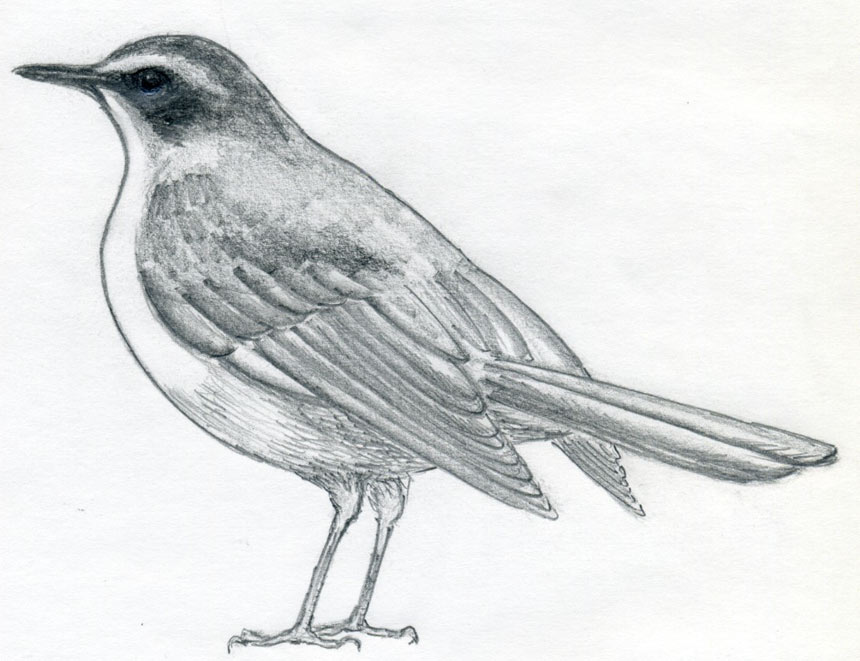
We also learned about the difference between stylized images and realistic images. Stylized images show an artist's unique, creative way of drawing something, rather than an image that looks like photograph. We looked at images of stylized birds and realistic birds. Can you tell the difference?


Subscribe to:
Posts (Atom)